


 Why do emotions change during the menopause? The role of the brain and gut“>
Why do emotions change during the menopause? The role of the brain and gut
Wat gebeurt er in de hersenen tijdens de menopauze?
Oestrogen is not only a hormone involved in the menstrual cycle, but also plays an essential role in the brain.
This affects, among other things:
- the serotonin balance (mood and emotion)
- dopamine (motivation and reward)
- The stress response via cortisol
Brain research using PET and fMRI shows that during the menopause:
- the brain's energy consumption changes
- certain brain regions work together less efficiently
- emotional regulation becomes more vulnerable
Specifically, areas such as the prefrontal cortex (control), hippocampus (memory), and amygdala (emotion) are temporarily thrown off balance.
This can manifest as:
- stemming changes
- irritability
- Angst or melancholy
- concentration problems (“brain fog”)
Important: this is not a psychological issue, but a neurobiological change.
Darmen en emoties zijn op verschillende manieren met elkaar verbonden. Dit komt door wat bekend staat als de 'gut-brain axis' (darm-hersenas). Dit is een bidirectioneel communicatiesysteem dat de hersenen en het maagdarmkanaal met elkaar verbindt. Hier zijn de belangrijkste manieren waarop darmen en emoties aan elkaar gerelateerd zijn: * **Zenuwstelsel:** De darmen hebben een eigen zenuwstelsel, het enterische zenuwstelsel (ENS), dat vaak wordt aangeduid als de 'tweede hersenen'. Dit netwerk van neuronen is in staat om bewegingen, afscheidingen en lokale bloedstroming in de darm autonoom te reguleren. Het ENS communiceert voortdurend met de hersenen via de nervus vagus, een lange zenuw die signalen heen en weer stuurt. Wanneer je emotioneel gestrest bent, kunnen signalen van de hersenen naar de darmen worden gestuurd, wat leidt tot veranderingen in de spijsvertering, zoals een opgeblazen gevoel, diarree of obstipatie. Omgekeerd kunnen signalen van de darmen naar de hersenen stemmingswisselingen, angst of zelfs depressieve gevoelens beïnvloeden. * **Microbioom:** Het microbioom is de gemeenschap van triljoenen micro-organismen (voornamelijk bacteriën) die in je darmen leven. Deze micro-organismen spelen een cruciale rol in vele lichaamsfuncties, waaronder de spijsvertering, het immuunsysteem en zelfs de productie van neurotransmitters zoals serotonine. Serotonine wordt vaak geassocieerd met stemming en welzijn. Ongeveer 90% van de serotonine in het lichaam wordt in de darmen geproduceerd. Disbalans in het darmmicrobioom (dysbiose) kan leiden tot veranderingen in de productie van neurotransmitters, wat invloed kan hebben op stemming en emoties. * **Hormonen en Immuunsysteem:** De darmen zijn ook betrokken bij de regulatie van hormonen zoals cortisol, het 'stresshormoon'. Chronische stress kan de darmfunctie beïnvloeden, en ontstekingen in de darm kunnen ook systemische effecten hebben die de hersenen en stemming beïnvloeden. Het immuunsysteem, dat grotendeels in de darmen is gevestigd, speelt een rol in de hersenfunctie en emotionele processen. **Praktische voorbeelden:** * Heb je ooit een 'buikgevoel' gehad? Dit is vaak een letterlijke weerspiegeling van signalen die vanuit je darmen naar je hersenen worden gestuurd. * Mensen met prikkelbare darm syndroom (PDS) ervaren vaak meer angst en depressie. * Emotionele stress kan leiden tot fysieke symptomen in de darmen, zoals misselijkheid of buikpijn. * Het eten van bepaalde voedingsmiddelen kan je humeur beïnvloeden, mede door de impact op je darmgezondheid. Kortom, de darmen zijn veel meer dan alleen een spijsverteringsorgaan; ze zijn een centraal knooppunt dat nauw verbonden is met je hersenen en je emotionele toestand. Zorg voor je darmen betekent dus ook zorgen voor je mentale welzijn.
The gut and brain are continuously connected via what's known as the gut-brain axis.
An important fact:
Around 90 percent of serotonin is produced in the gut.
During the menopause, declining oestrogen causes changes such as:
- the composition of the microbiome
- intestinal permeability
- the production of neurotransmitters
This can disrupt communication between the gut and the brain.
This can lead to:
- A bloated feeling or altered bowel movements
- reduced nutrient absorption
- increased sensitivity to stress
- Intensification of emotional complaints
In other words
Gut health directly influences how someone feels mentally.
Why do ailments often feel more intense than expected?
Many women are told that the menopause is “mild”, but that is often not what they experience.
This is because multiple systems are changing at the same time:
- hormones
- Brain function
- Card balance
- sleep quality
This combination causes symptoms to reinforce each other.
For example
Poorer sleep → more stress → disruption of gut flora → more emotional instability
This is a chain reaction, not an isolated problem.
What does this mean for treatment and guidance?
Within a modern, high-quality clinic vision, it is essential to look beyond mere symptoms.
An integrated approach means:
- to understand what's happening hormonally
- recognise that the brain and gut react together
- To set realistic expectations
- Restore calm and control to the patient
This aligns with a broader vision where aesthetics, health, and wellbeing are interconnected.
Conclusion
The menopause is a phase in which the body reorganises itself.
The emotional changes that women experience are not coincidental, but the result of measurable changes in the brain and gut.
By understanding these processes, scope is created for:
- more rest
- more grip
- and a treatment that connects to the full system
Want to know more about menopause and hormones? We at SkinSurgery Clinics Bergschenhoek and Den Haag offer Hormone therapy to see what we can help with.
Frequently asked questions
Are mood swings during the menopause normal?
Yes. Due to hormonal changes in oestrogen, the operation of neurotransmitters and brain areas that regulate emotions changes.
Does my gut health really affect my mood?
Yes. The intestines produce a large proportion of serotonin and are directly connected to the brain.
Will these complaints go away on their own?
For many women, symptoms stabilise after the menopause, but support can help to get through this period more easily.
The Expert: Cosmetic Doctor & Surgeon
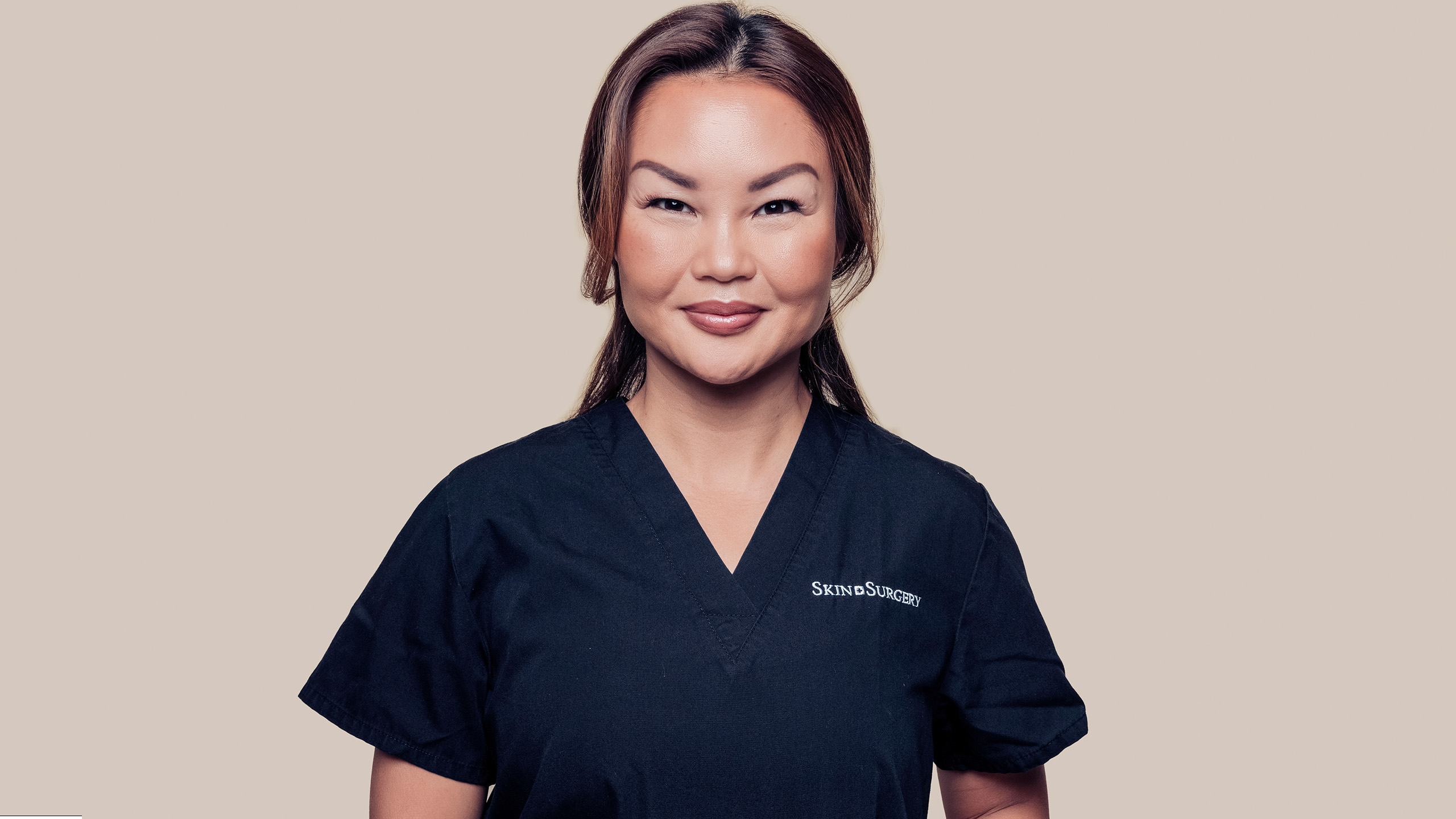
Dr Thanya Tha-In
KNMG Certified Cosmetic Physician & Surgeon
Dr. Tha-In has years of experience in facial surgery and has performed numerous procedures. She operates daily and knows exactly which treatment suits which needs or concerns.
SkinSurgery Bergschenhoek
Leeuwenhoekweg 4
2661 CZ Bergschenhoek
010- 310 56 20
SkinSurgery Tha Hague
Laan van Meerdervoort 677
2564 AC The Hague
070- 200 20 70
ALSO INTERESTING
Why Hormone Therapy at SkinSurgery Makes a Difference.
READ OUR BLOG TOO: 5 Misconceptions About Perimenopause Debunked


Botox is much more than just frown lines, foreheads and crow's feet.

Profhilo or Radiesse: which treatment is right for your skin?

Cosmetic treatments: why more and more people are open about their choices
Why do men frown more often? The cause of a deep frown and what you can do about it

10 treatments to shine on your wedding day
