 Rejuran and the difference between PN and PDRN: how skin repair, collagen and skin quality come together“>
Rejuran and the difference between PN and PDRN: how skin repair, collagen and skin quality come together
The demand for skin improvement is shifting. Where volume and immediate correction used to be the main focus, more and more people are now looking for skin quality, recovery and a younger skin status in a natural way. Rejuran treatment fits exactly within this development. This treatment focuses on regenerating the skin from the inside out, with the aim of a stronger, calmer and more refined skin structure.
At the same time, Rejuran often raises a substantive question: what exactly is the difference between PN and PDRN? That question is relevant because these terms are often used interchangeably, even though biologically and clinically they do not mean quite the same thing.
In this blog, we clearly explain what PN and PDRN are, how Rejuran works, for which indications it may be of interest and why this treatment is especially suitable for people seeking skin improvement without an unnatural effect.
What is Rejuran?
https://rejuranpro.com/ is an injectable treatment based on polynucleotides. These polynucleotides are used with the aim of supporting the skin condition, improving the skin's repair capacity and making the skin environment more favourable for regeneration.
Instead of mainly adding volume, Rejuran focuses on the quality of the tissue itself. Think of skin that looks finer, feels better hydrated, becomes calmer and can gradually look firmer and more even. This is precisely why Rejuran is often chosen by people who are not looking for a visible “done” result, but for a subtle, fresh and healthy look.
What is the difference between PN and PDRN?
Although PN and PDRN both fall under the broader group of DNA fragments or nucleotides, there is an important distinction in terms of content.
PN stands for polynucleotides
Polynucleotides are longer chains of nucleotide fragments. Within aesthetic medicine, they are mainly used with the aim of supporting skin repair, hydration and structural improvement. PN is often associated with a more pronounced biostimulatory and tissue support effect within the skin.
PDRN stands for polydeoxyribonucleotide
PDRN consists of shorter DNA fragments. This ingredient is more broadly associated with repair processes and support of tissue regeneration. In the market, PDRN is often positioned as regenerative, but in a practical sense, the emphasis is usually more on supporting repair than on the more structural skin quality that PN is often chosen for.
In a nutshell
PDRN can be seen as a shorter DNA fragment with focus on recovery support
PN consists of longer chains and is more often used when the desire is more for skin quality, skin structure and collagen support
At Rejuran, the emphasis is on PN. This makes the treatment especially interesting for patients seeking skin improvement at the level of texture, elasticity and overall skin condition.
How does Rejuran work in the skin?
Rejuran does not work like a classic filler. No shape is created and volume correction is not primarily targeted. The idea behind this treatment is to give the skin a more favourable biological environment to repair and reorganise itself.
That mechanism is often explained through a number of processes.
Supporting fibroblasts
Fibroblasts are the cells that play an important role in the production and organisation of collagen and other building blocks of the skin. As the skin ages, the activity of these cells decreases. The skin becomes thinner, less resilient and recovers more slowly. Polynucleotides are used with the aim of supporting this skin environment, allowing fibroblasts to function more actively again.
Supporting collagen and matrix
Young skin not only has sufficient collagen, but also a well-organised extracellular matrix. This is the network in which skin cells, collagen fibres and supporting structures come together. Rejuran is often used with the idea that this matrix is favourably influenced, which can make the skin firmer, more refined and more resilient.
Inflammation regulation
Low-grade inflammation often plays a role in skin ageing and skin stress. Think redness, slow recovery, sensitivity and a tired skin condition. Polynucleotides are valued in part because they are often used in protocols aimed at skin rest and recovery. Therefore, Rejuran is also a good fit for skin that not only looks older, but is also fragile or out of balance.
Scaffold and stretch of skin environment
A useful way to explain it is that Rejuran does not simply “add something”, but provides the skin with a supporting biological framework, so to speak. Sometimes this is compared to a scaffold, a supportive structure in which the skin can better reorganise itself. This is not a mechanical lifting, but a subtle stimulation of the skin architecture. That is precisely where it differs from treatments that focus only on plumping.
For which indications is Rejuran suitable?
Rejuran is particularly interesting when the complaint is not just volume loss, but rather a decrease in skin quality. The indications must be clear, as this determines whether a patient really benefits from this treatment.
Common indications are:
- fine, thinning skin
- tired or dull skin
- loss of elasticity and resilience
- fine lines and superficial skin ageing
- fragile skin around the eyes
- skin that needs time to recover after stress or previous treatments
- a skin texture in need of refinement, without volume increase
- a patient who wants a natural result and is not looking for a visible filler effect
So Rejuran is not primarily the treatment for someone who wants to instantly fill a deep crease or expects pronounced lifting. Rather, it is a treatment for the patient who says: my skin looks older, thinner, more tired or less firm than how I feel.
Rejuran around the eyes
One of the best-known application areas of Rejuran is the skin around the eyes. This makes sense because this area is thin, quickly shows signs of fatigue and is often less suitable for classic volume treatments when the goal is mainly skin quality.
In the eye area, Rejuran can be used for:
- fine lines
- crepey skin
- drier, thinner skin
- a tired look
- subtle texture enhancement
Especially in this zone, careful indication is essential. Not every dark or troubled eye area requires the same treatment. Sometimes volume loss is the main problem, sometimes skin quality, sometimes pigment, and sometimes a combination of these.
Is Rejuran an alternative to fillers?
Not directly. Rejuran and fillers have different functions. Fillers are especially suitable when there is volume loss or contour deficiency. Rejuran instead focuses on regeneration, skin quality and supporting the biological condition of the skin.
In some cases, treatments can complement each other, but they are not interchangeable. Those who want volume are usually not satisfied with polynucleotides alone. In contrast, those who want to improve skin quality without extra volume may come out much more logically with a treatment like Rejuran.
What is the difference between skin improvement and ligament injection?
Ligament injection is a totally different approach. This looks more at structural support, lifting and strategic anchoring of the face. This falls within a more advanced contour and support concept, involving deeper anatomical structures.
Rejuran, on the contrary, works more superficially and biologically. The aim is not to lift ligaments or reposition tissue, but to improve the quality of the skin layer itself. Therefore, it is important not to confuse the content of these treatments.
Simply put
- ligament injection techniques focus on support, contour and lift
- Rejuran focuses on skin quality, recovery and refinement
Why do patients choose Rejuran?
Because the desire of many patients has changed. Not everyone wants more volume or a visible cosmetic effect. Above all, many people want their skin to look calmer, stronger and fresher again. They want to look like themselves, but more rested and refined.
This is precisely why Rejuran fits well with a premium treatment vision that focuses on subtle rejuvenation, skin health and natural elegance. Not the quick correction, but the quality of the end result is leading.
What can you expect after treatment?
Because Rejuran is inserted into the skin via small injections, temporary small swellings, redness or bumps may be visible. This is usually transient and suits the technique of insertion into the skin. Treatment usually requires a course of treatment or build-up in several sessions, as skin regeneration is a process and not an immediate volume effect.
So the outcome develops gradually. This makes the treatment suitable for patients who understand that real skin improvement takes time and prefer to opt for a natural course rather than a quick, visible change.
Conclusion
The difference between PN and PDRN is relevant because it says something about the purpose of the treatment. Whereas PDRN is mainly associated with restorative support, PN is more often chosen when the focus is on skin quality, collagen support and refinement of skin structure.
Rejuran thus fits within a modern vision of aesthetic medicine: not just correcting what is missing, but helping the skin return to a stronger, calmer and younger-looking condition.
For patients who do not want a fake effect but do want visibly more refined skin, Rejuran can be a very interesting treatment.
The Expert: Cosmetic Doctor & Surgeon
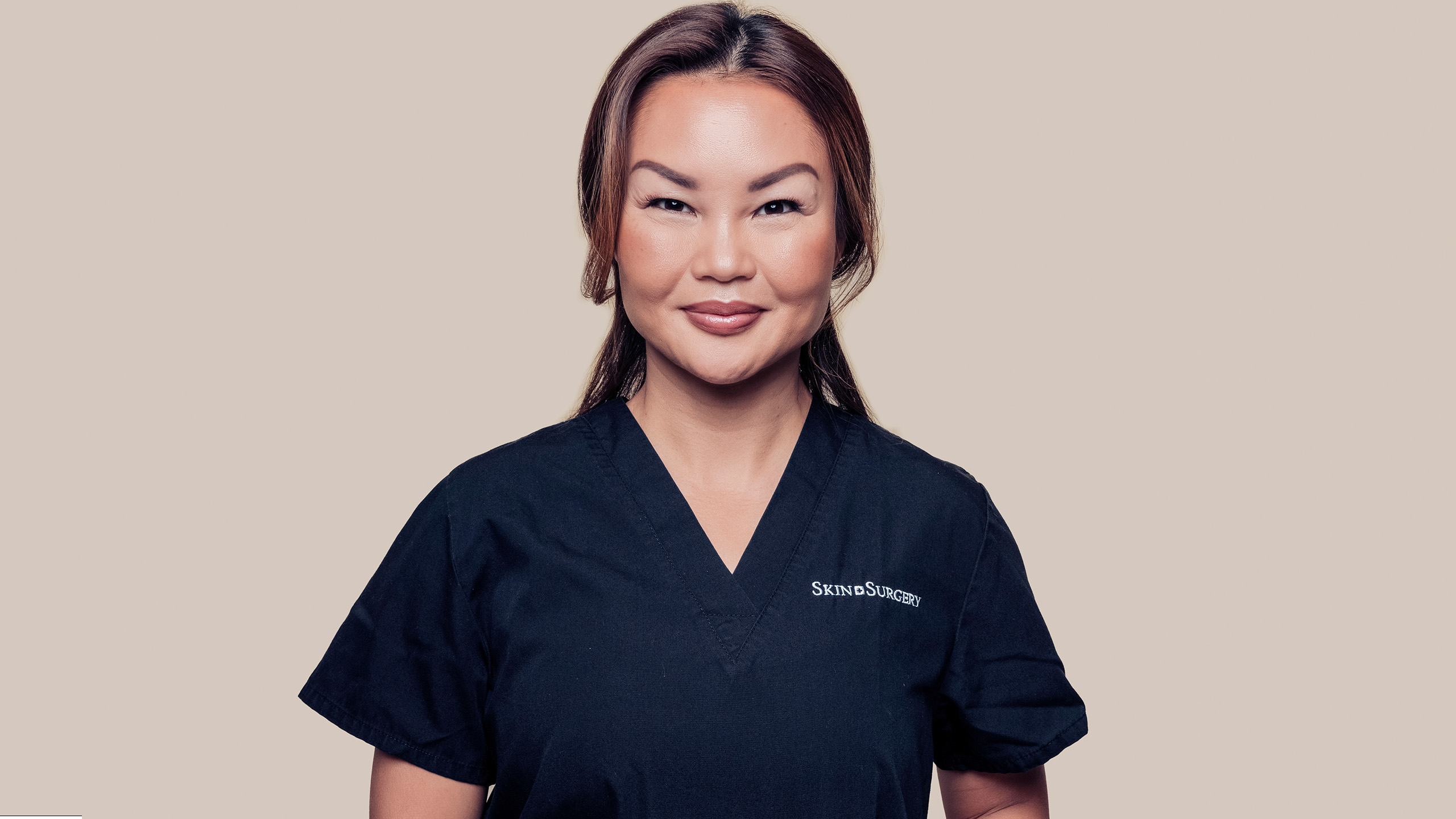
Dr Thanya Tha-In
KNMG Certified Cosmetic Physician & Surgeon
Dr. Tha-In has years of experience in facial surgery and has performed numerous procedures. She operates daily and knows exactly which treatment suits which needs or concerns.
SkinSurgery Bergschenhoek
Leeuwenhoekweg 4
2661 CZ Bergschenhoek
010- 310 56 20
SkinSurgery Tha Hague
Laan van Meerdervoort 677
2564 AC The Hague
070- 200 20 70
ALSO INTERESTING
The power of polynucleotides during surgery.


Why more and more thirty-somethings are opting for an upper eyelid correction with the Milan technique

Why do emotions change during the menopause? The role of the brain and gut

Ozempic, Mounjaro and the illusion of quick beauty
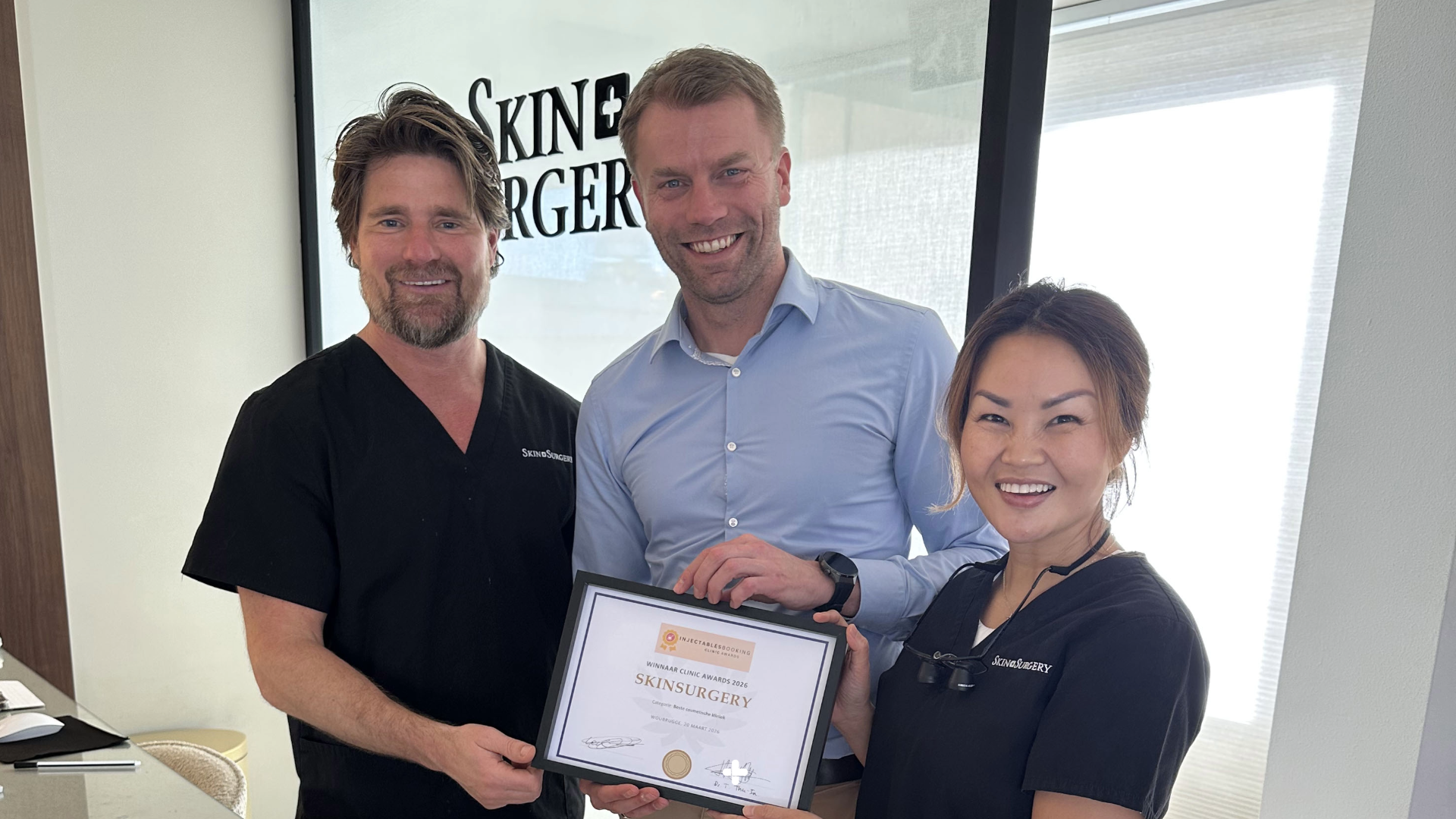
5x in a row Winner Clinic Awards - Best clinic in the Netherlands for Injectables

Eyelid surgery: really not a taboo anymore